
Quenching the Flash: How Active Arc Detection is Revolutionizing Switchgear
Traditional breakers rely on overcurrent curves to trip, taking cycles to clear a fault. New active arc quenching systems drop incident energy in milliseconds, saving lives and equipment.
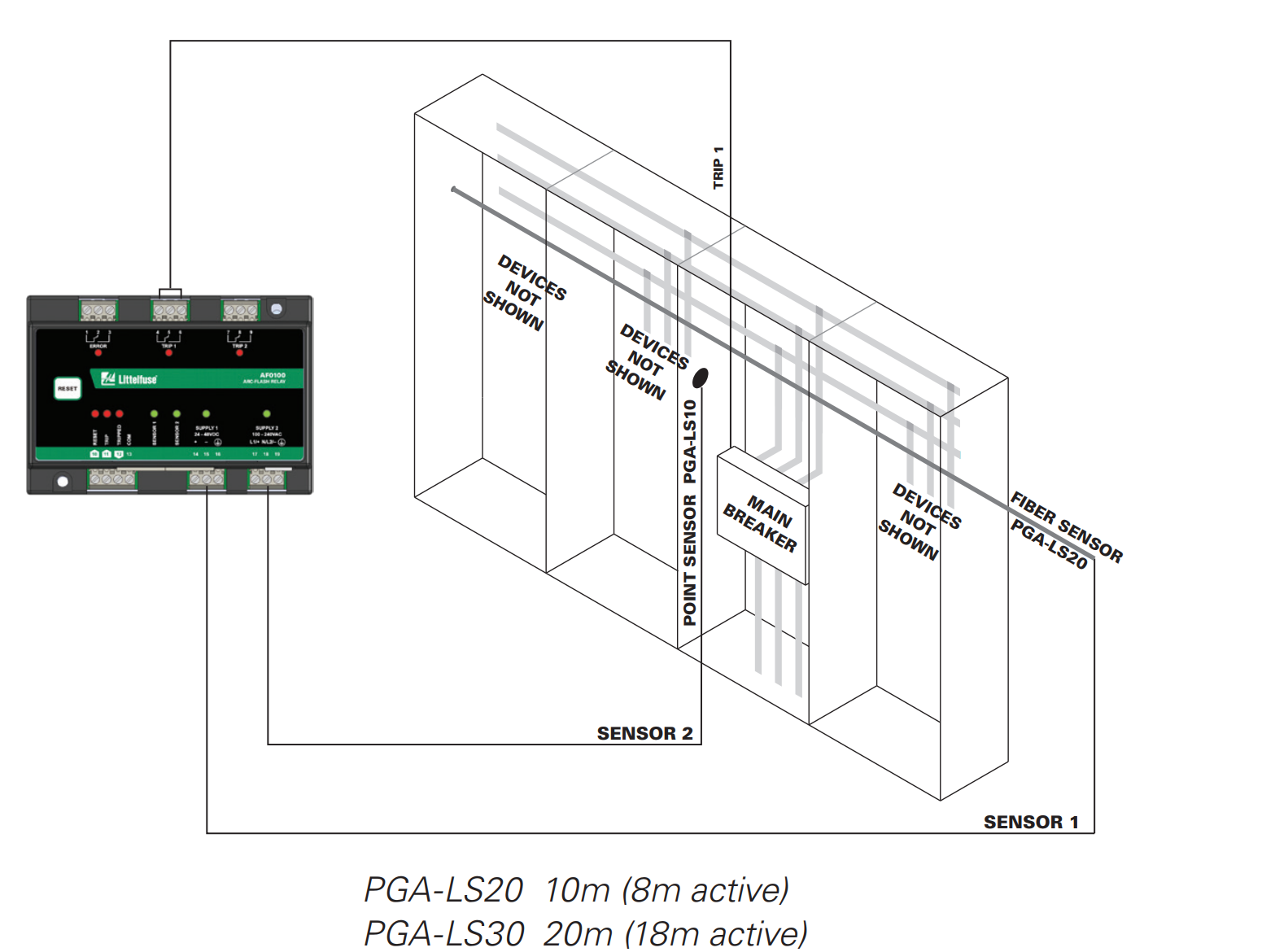
The physics of an arc flash are brutal and unforgiving. When a phase-to-phase or phase-to-ground fault ionizes the air, the temperature inside a switchgear cabinet can skyrocket to 35,000°F—more than three times the surface temperature of the sun—within milliseconds. Copper vaporizes instantly expanding at a ratio of 67,000:1, blowing heavy steel doors off their hinges and engulfing anyone standing in the flash protection boundary in a lethal plasma cloud.
For decades, the primary defense against this hazard has been a combination of heavy arc-rated PPE and the coordination of overcurrent protection devices (OCPD).
The Latency Problem of Traditional Breakers
The fatal flaw in traditional circuit breakers and relays is that they rely on tripping curves based on overcurrent or time-overcurrent (TCC). They have to “see” the excess current, determine that it exceeds the trip threshold for a specified duration, mathematically process the curve, and physically unlatch the mechanical contacts to break the circuit.
Even fast mechanical breakers take 3 to 5 cycles (50 to 83 milliseconds on a 60Hz system) to clear a fault. During those cycles, the arc flash is actively dumping megajoules of incident energy into the enclosure and the surrounding environment. To a human body standing in the blast zone, 83 milliseconds is an eternity.
The Shift to Active Arc Quenching
The one of the latest innovations in industrial electrical safety focuses on eliminating the time delay entirely. Instead of waiting for current curves to develop, modern infrastructure is adopting Active Arc Fault Detection Devices (AFDDs) combined with high-speed quenching hardware.
This architecture relies on two simultaneous detection mechanisms:
- Optical Sensors: Ultra-fast photo-detectors placed throughout the busbar compartments continuously monitor the cabinet for sudden, blinding bursts of light (the physical signature of plasma).
- Current Signature Analysis: High-speed current transformers instantly verify the light burst is accompanied by a massive fault current spike (ruling out camera flashes or sunlight).
When this dual-signature condition is met, the system makes a trip decision in less than 1 millisecond.
Instead of waiting for a slow mechanical breaker upstream to open, the relay instantly fires a high-speed “Crowbar” switch. This switch intentionally creates a bolted three-phase short circuit (or grounds the phases) directly parallel to the arc. Electricity immediately takes the path of least resistance—diverting away from the high-impedance plasma cloud and into the solid switch.
Dropping Incident Energy to Near-Zero
By collapsing the voltage across the arc, the plasma extinguishes in less than 2 milliseconds, entirely starving the explosive reaction before it has time to expand. At 2 milliseconds, the incident energy generated is a fraction of a calorie per square centimeter (cal/cm²), often rendering what would have been a Category 4 or Category 0-Risk hazard into a practically negligible event.
While Arc Quenching systems don’t prevent the initial fault from happening, they alter the laws of physics inside the cabinet, turning potentially fatal, catastrophic blasts into minor power blips that leave personnel unharmed and equipment salvageable. It marks a foundational shift in how the industry approaches the hierarchy of controls: moving from mitigating the damage with heavy suits to engineering the hazard out of existence.
Image and technical reference sourced from the Littelfuse AF0100 Arc-Flash Relay Application Guide.
Community Discussion
Join the conversation. What are your thoughts on this incident or safety topic?
Comments will appear here once the Giscus GitHub repository is linked.